Top 10 Translation Management Software to Boost Your Workflow?
In today's fast-paced global environment, effective communication is crucial. Companies are increasingly relying on translation management software to streamline their localization efforts. Such tools enhance productivity and improve project quality. They facilitate collaboration among multilingual teams, ensuring consistency and accuracy across various languages.
Translation management software simplifies the complex process of translation. These platforms provide features like automated workflows and real-time tracking. Users can manage multiple projects seamlessly, reducing delays and minimizing miscommunication. However, not every tool is perfect; some may lack specific features critical for unique needs. Reflection on user experiences is essential to select the right software.
By embracing the right translation management software, organizations can boost their workflow significantly. The market, rich with options, presents various benefits and challenges. Careful consideration is required to ensure the chosen solution aligns with specific goals. This landscape continues to evolve, underscoring the importance of staying informed about the latest advancements.

Overview of Translation Management Software Market Trends
The translation management software market is rapidly evolving. Companies face challenges as they seek to streamline their translation processes. The demand for efficient, user-friendly tools is increasing. Many organizations are turning to cloud-based solutions. These platforms offer flexibility and accessibility, essential for remote teams.
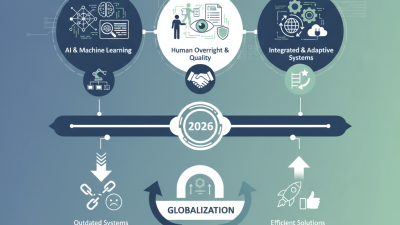
A growing trend is the integration of AI into translation software. AI enhances accuracy and speeds up translation tasks. Nonetheless, relying too heavily on technology can lead to oversights. Some nuances might be lost, affecting the final output. Human oversight remains critical in ensuring quality.
In this competitive landscape, it’s vital to choose the right software. Analyze features like automation and collaboration tools. Prioritize user feedback to inform your selection. A good choice should cater to your specific needs. Experiment with demo versions before finalizing a decision. Keep in mind that adapting to new software can be a challenging process. It requires time for a smooth transition. A thoughtful approach ensures you maximize the benefits of your chosen solutions.
Top 10 Translation Management Software to Boost Your Workflow
| Rank |
Features |
Pricing Model |
User Rating |
Market Trend |
| 1 |
Cloud-based, Collaboration tools, API Integration |
Subscription-based |
4.8 |
Growing demand for remote collaboration |
| 2 |
AI-driven Translation, Workflow Automation |
Pay-per-use |
4.5 |
Increased focus on AI solutions |
| 3 |
Glossary Management, Custom Integrations |
Tiered Subscription |
4.7 |
Rising trend of personalization |
| 4 |
Multi-language Support, Reporting Tools |
Freemium |
4.3 |
Importance of diverse language options |
| 5 |
Real-time Collaboration, QA Tools |
One-time Purchase |
4.6 |
Focus on quality assurance |
| 6 |
Mobile Application, Custom Workflows |
Subscription-based |
4.4 |
Rise of mobile solutions |
| 7 |
Translation Memory, Compliance Tools |
Pay-per-use |
4.2 |
Growing regulatory demands |
| 8 |
API Access, Security Features |
Tiered Subscription |
4.5 |
Increased focus on data security |
| 9 |
Custom Branding, User Management |
Freemium |
4.1 |
Growing need for brand consistency |
| 10 |
Task Management, Analytics Dashboard |
One-time Purchase |
4.0 |
Increasing interest in analytics |
Key Features to Consider in Translation Management Software
When choosing translation management software, certain features can greatly impact your workflow. A user-friendly interface is essential. It should allow translators to navigate easily. Efficient tools lead to faster project completion. Look for collaborative features. They enable team members to communicate seamlessly. Real-time updates are also important as they help track progress and issues.
Translation memory functionality is another key aspect. It stores previously translated segments and assists in maintaining consistency. Glossaries can also be beneficial. They ensure specific terms are used correctly across projects. Consider integration options as well. Software that easily connects with other tools can enhance productivity.
Remember, not every software will meet your specific needs. Flexibility in customization is vital. You may find that some features work better than others for your projects. Testing different options can reveal strengths and weaknesses. Prioritizing the right features can make a significant difference to your workflow efficiency.
Top 10 Translation Management Software Features Comparison
This bar chart presents a comparison of key features to consider when selecting translation management software. The importance ratings reflect the significance of each feature in contributing to an effective workflow.
Top 10 Translation Management Tools and Their Unique Benefits
In today’s fast-paced environment, translation management tools play a crucial role in enhancing workflow efficiency. These platforms streamline the translation process, making collaboration smoother. One key benefit is the centralization of resources, allowing teams to store glossaries, style guides, and past translations in one place. This saves time and ensures consistency across projects. The intuitive interfaces allow users to navigate easily, even if they are not tech-savvy.
Another unique aspect is the integration capabilities with other software. Many tools can connect with content management systems and communication platforms. This connection facilitates real-time updates and feedback among team members. With robust analytics features, users can track progress and identify bottlenecks in their workflow. However, some users may find it challenging to adapt to new systems. Training may be necessary, and initial resistance can lead to slower adoption rates.
Finally, the quality assurance features in these tools help prevent errors. Automated checks can catch issues before they reach the final stage, reducing the need for extensive revisions later on. Still, human oversight is essential. Relying solely on automated systems can lead to overlooked nuances. The best approach combines technology with personal expertise, ensuring high-quality translations while maximizing productivity.
Comparative Analysis of Pricing Models for Translation Software
Pricing models for translation management software vary significantly across the market. A recent industry report indicates that pay-per-usage models are gaining popularity. These models allow users to pay only for the services they utilize. This can be economically beneficial for companies with fluctuating translation needs. It also reduces upfront costs associated with licensing software.
Subscription-based models, on the other hand, often provide more predictable budgeting. Many providers offer tiered pricing plans based on the number of users or features included. A survey by a translation industry organization found that nearly 40% of companies prefer subscription models for their consistency. However, this type of pricing might lead to paying for features that are never fully utilized.
Another intriguing trend is the rise of freemium models, which allow users to access limited features at no cost. These can serve as excellent entry points for small businesses or freelancers. Yet, potential users should be cautious. Freemium models often result in hidden costs when upgrading. Companies need to evaluate whether their long-term translation needs align with these models. Ultimately, the effectiveness of a pricing model rests on understanding specific organizational needs and potential growth in translation volume.
Best Practices for Implementing Translation Management Solutions
Implementing a translation management solution can significantly enhance workflow efficiency. A recent report from Nimdzi Insights indicates that organizations using translation management software can increase productivity by up to 30%. This improvement allows teams to allocate more time to quality assurance and content creation, rather than manual tasks. Yet, the success of such implementation often hinges on a few best practices.
Engaging stakeholders early in the process is crucial. According to a study by CSA Research, nearly 75% of firms reported that involving key team members from the outset reduced resistance to change. Clear communication about timelines and expectations helps in aligning everyone toward common goals. Training sessions for staff can improve software adoption rates, making teams feel competent and confident. It’s essential to monitor progress and solicit feedback regularly. For example, tracking metrics such as turnaround time and user satisfaction can pinpoint areas needing adjustment.
However, not all organizations experience smooth transitions. Some face challenges like data integration and system compatibility. Approximately 60% of companies reported issues during implementation. Organizations should be prepared to revise their strategies based on initial experiences. Flexibility and iterative improvements can ultimately lead to a more streamlined workflow and better overall outcomes. Engaging in continuous evaluation fosters resilience and adaptability in the evolving landscape of translation management.
.svg)


.svg)

.svg)


 052925 - AI Translation 101 (1).png)


.svg)

.svg)


.jpg)