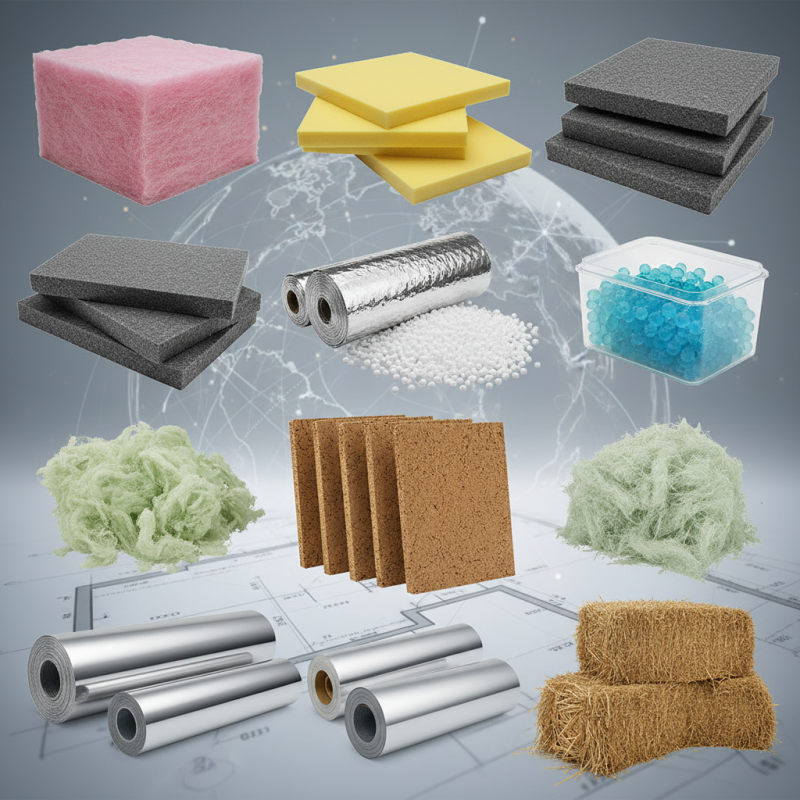
Top 10 Thermal Insulation Materials for Global Buyers?
Thermal Insulation plays a crucial role in energy efficiency and comfort in buildings. As global demand increases, understanding insulation materials is essential. Insulation reduces heat transfer, keeping spaces warmer in winter and cooler in summer.
In the search for effective thermal insulation, various materials stand out. From traditional fiberglass to modern aerogel, each option offers unique benefits. But, selecting the right material involves consideration of cost, efficiency, and environmental impact.
Buyers often face challenges in navigating these choices. The market is flooded with options, leading to confusion. There are few perfect solutions, and each material has its drawbacks. Keeping abreast of innovations in thermal insulation is key for informed decisions regarding long-term performance and sustainability.
Overview of Thermal Insulation Materials: Importance and Applications
Thermal insulation materials play a crucial role in energy efficiency. They help regulate temperature in buildings, reducing heating and cooling costs. According to the International Energy Agency, adequate insulation can lead to energy savings of 20-30%. This is significant for both residential and commercial structures.
Common insulation materials include fiberglass, foam, and cellulose. Each type has unique properties. Fiberglass is lightweight and has good thermal resistance. Foam insulation offers a higher R-value per inch, making it efficient for tight spaces. Cellulose, made from recycled paper, is eco-friendly, but its installation can be tricky if not done correctly.
The building sector increasingly emphasizes sustainability. Proper insulation can meet energy codes while minimizing environmental impact. However, some materials may off-gas, posing indoor air quality issues. It’s essential for buyers to evaluate all aspects of each material. Many reports suggest that the performance and safety of these materials vary widely. This makes informed decisions vital for effective thermal insulation.
Types of Thermal Insulation Materials: A Comprehensive Classification
Thermal insulation materials play a crucial role in energy efficiency and comfort in buildings. They can be classified into several categories based on their composition and application. Common types include fiberglass, foam boards, and mineral wool. Each type has unique properties that make it suitable for specific environments. For example, fiberglass is known for its cost-effectiveness, while foam boards offer excellent thermal resistance.
A 2021 report from the International Energy Agency indicates that effective insulation can reduce energy consumption for heating and cooling by as much as 40%. This potential is vital as the global demand for sustainable building solutions continues to rise. Mineral wool, made from natural or recycled materials, has been favored for its fire resistance and soundproofing capabilities. However, it can attract moisture if not properly installed, leading to potential mold issues.
Moreover, new materials like aerogels are emerging in the market. They provide exceptional thermal performance but often come with higher costs. Flexibility in application remains a concern, especially for retrofit buildings. Many existing structures cannot accommodate bulky insulation materials, limiting options for improvement. Exploring innovative designs and methods is essential for enhancing building performance while navigating these challenges.
Top 10 Thermal Insulation Materials for Efficiency and Sustainability
When considering thermal insulation materials, efficiency and sustainability are paramount. Many options exist, each with unique benefits and environmental impacts. Materials like cellulose and sheep wool are renewable and biodegradable. They offer excellent thermal performance while minimizing harm to the planet. These choices not only support energy efficiency but also resonate with eco-conscious consumers.
Tips for selecting insulation: always check R-value. A higher R-value often means better insulation. Look for materials that provide durability as well. Longevity reduces replacement needs, ultimately saving resources. Remember, some recycled materials may require less energy to produce.
Reflecting on sustainability, traditional materials are not always the best. Some can contain harmful chemicals, affecting indoor air quality. Focus on products that meet safety standards and have low VOC emissions. Research the production processes, as these can impact overall environmental performance. Seeking informed choices ensures a healthier home and planet.
Comparative Analysis of Cost and Performance of Insulation Materials
When considering thermal insulation materials, cost and performance are key factors. Different materials offer varying levels of efficiency, making it crucial for buyers to analyze their options carefully. Fiberglass and foam are popular due to their affordability and decent insulating properties. However, they may not perform well in extreme temperatures.
On the other hand, materials like cellulose provide excellent insulation but can come at a higher price. It's essential to balance the initial expense with potential energy savings. Some high-performance materials, such as aerogels, offer superior insulation but can strain budgets.
**Tips:** When selecting insulation, consider the climate in your area. This will help you choose materials that offer the best performance based on local conditions. Always account for the long-term cost benefits, not just the upfront price. Understanding the environmental impact of materials is also crucial. Recycled or natural options may take longer to pay off, but they contribute to sustainability.
Top 10 Thermal Insulation Materials for Global Buyers
| Material | R-Value (per inch) | Cost per Square Foot | Weight (lb/ft³) | Application Areas |
| Fiberglass | 2.9 - 4.3 | $0.50 - $1.00 | 0.5 - 0.8 | Walls, Attics, Floors |
| Foam Board | 5.0 - 6.5 | $1.50 - $3.00 | 1.0 - 3.0 | Foundations, Basement Walls |
| Spray Foam | 6.0 - 7.0 | $3.00 - $6.00 | 0.5 - 3.0 | Roofs, Walls, Crawl Spaces |
| Cellulose | 3.1 - 4.0 | $0.70 - $1.50 | 2.5 - 3.0 | Attics, Walls |
| Mineral Wool | 3.0 - 4.2 | $1.00 - $2.00 | 2.0 - 8.0 | Walls, Ceilings, Floors |
| Reflective/SRadiant Barrier | 1.0 - 3.0 | $0.20 - $0.70 | 0.5 | Roofs, Attics |
| Polyurethane Foam | 6.0 - 7.0 | $2.00 - $4.50 | 1.0 - 3.0 | Commercial, Industrial |
| Aerogel | 10.0 - 30.0 | $10.00 - $30.00 | 0.1 - 0.5 | High-Performance Applications |
| Cotton (Denim) Insulation | 3.5 - 4.0 | $1.00 - $2.50 | 2.0 - 3.0 | Walls, Ceilings |
| Hemp Insulation | 3.0 - 4.0 | $1.50 - $3.00 | 3.0 - 5.0 | Sustainable Building |
Future Trends in Thermal Insulation Technologies for Global Markets
The thermal insulation industry is rapidly evolving. Recent reports indicate that the global thermal insulation market is projected to reach $72.68 billion by 2027, growing at a CAGR of 5.8%. This growth is driven by the increasing demand for energy-efficient buildings and advancements in insulation technologies.
Innovations are shaping the industry's future. Researchers are focusing on materials with higher thermal resistance and lower environmental impact. For example, bio-based insulation options are gaining traction. These materials can be more sustainable and perform well. However, the challenge remains to balance efficiency with cost. Some emerging materials are still not widely adopted, which could limit their impact.
Tips: Always consider the thermal properties of the materials during selection. Look for reliable certifications that assure performance. Engaging with material data over time can yield insights into long-term benefits and potential drawbacks. As the market evolves, staying informed on new trends is crucial for effective sourcing.
Top 10 Thermal Insulation Materials for Global Buyers
This chart displays the top thermal insulation materials based on their global market share in 2023. The data illustrates the growing trends in demand for sustainable and efficient insulation solutions.
.svg)


.svg)

.svg)


 052925 - AI Translation 101 (1).png)


.svg)

.svg)


.jpg)