Top 10 Automatic Translator Tools for Global Buyers
Buying across borders often begins with a simple message, yet one misunderstood phrase can alter price, quantity, or delivery expectations. An automatic translator can bridge languages quickly, but speed alone does not guarantee a dependable purchasing conversation. This guide examines ten automatic translator tools for global buyers through practical, business-focused criteria. We consider translation accuracy, product terminology, supported languages, voice and image features, platform compatibility, data handling, and total cost. Real buying situations matter. A tool should handle a supplier’s quotation, a product label, a short voice note, and a technical specification without creating confusing gaps. In my experience, the strongest tools are not always the most expensive. They are often the easiest to verify, correct, and use repeatedly. Still, even trusted software can mistranslate measurements or soften an important condition. Human review remains valuable.
The comparison also considers reliability during everyday work. Can buyers translate a message beside a marketplace chat? Can teams preserve meaning across email, mobile apps, and shared documents? Does the service explain limitations clearly? These details separate a convenient app from a practical international purchasing assistant. We will highlight suitable use cases, strengths, weaknesses, and possible trade-offs for each option. Privacy and responsible data practices receive attention, especially when users handle quotations, business contacts, or unpublished product information. No tool should replace careful confirmation of currency, specifications, timelines, or agreed terms. That is easy to forget. The goal is not to promise perfect communication. It is to help global buyers choose an automatic translator with realistic expectations, stronger verification habits, and fewer avoidable misunderstandings.

What Automatic Translator Tools Do for Global Buyers
Automatic translator tools help global buyers understand product pages, specifications, messages, and quotations faster. A buyer can translate carton dimensions, material details, and delivery terms within seconds. This reduces delays when comparing suppliers across several languages. In my experience, the best tools preserve tables, measurement units, and common purchasing phrases. However, accuracy can change with poor grammar, local expressions, or industry terminology.
Tips: Translate short sections, not entire pages at once. Compare key figures with the original text. Ask a qualified human reviewer to check contracts, safety information, and technical instructions. Avoid uploading confidential pricing or customer data without checking the tool’s privacy policy.
These tools also support smoother conversations. Buyers can draft clear questions about minimum quantities, packaging, production schedules, and quality checks. Some tools suggest alternative wording, which helps prevent an overly direct message from sounding rude. Still, automatic translation may miss uncertainty or cultural meaning. A phrase that seems polite might sound demanding in another market. I once treated a translated delivery estimate as exact, but the original wording allowed several interpretations. That mistake showed why buyers should confirm dates, units, and responsibilities in plain language. Translation is useful support, not final proof.
Top 10 Automatic Translator Tools for Global Buyers
What automatic translator tools do for global buyers: help them communicate with major language markets during product research, negotiation, and purchasing.
The chart shows the approximate number of native speakers for the ten largest language communities worldwide. Automatic translation can help buyers review listings, compare specifications, ask questions, and clarify shipping or payment terms across these markets.
Key Features to Compare Before Choosing a Translator
When comparing automatic translator tools for global buying, accuracy should come before attractive dashboards. Test each tool with product specifications, delivery terms, and supplier messages. Short samples can reveal serious weaknesses.
Language coverage matters, but context matters more. A tool may translate technical words correctly in one industry and poorly in another. Check how it handles measurements, currency formats, quantities, and polite negotiation. Keep a glossary of preferred terms. Then compare the same paragraph across several tools. This creates useful evidence instead of relying on advertising claims. It is not perfect.
Data protection also deserves careful review. Choose a service with clear retention rules, access controls, and secure transmission. Avoid uploading confidential contracts without proper approval. A reliable tool should support common file types and preserve tables, headings, and product codes. Broken formatting can create costly confusion during purchasing.
Speed, integration, and support affect daily work. A buyer handling fifty supplier messages needs consistent results, not just fast results. Check whether the tool connects with email, spreadsheets, or procurement systems. Review pricing limits, user permissions, and customer support response times. Human review remains important for final specifications and sensitive negotiations. No automatic translator understands every market custom. That limitation should shape your workflow, not disappear behind fluent wording.
Top Automatic Translator Tools for International Purchasing
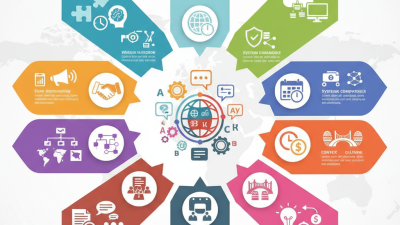
International purchasing now depends on clear, fast communication. CSA Research reported that 76% of global consumers prefer product information in their own language, while 40% avoid purchasing in other languages. For buyers comparing overseas suppliers, automatic translation tools can reduce friction across product pages, quotations, and shipping messages. Useful options include browser translation, mobile camera translation, voice interpretation, email translation, document translation, multilingual search, terminology management, translation APIs, desktop translation software, and human-review platforms.
Each tool serves a different purchasing moment.
Browser translation helps buyers scan supplier catalogs quickly. Camera translation reads labels, packaging, and certificates during factory visits. Email tools support short negotiations, while document systems handle specifications and purchase terms.
Translation APIs can connect marketplaces with customer-service workflows. A terminology manager keeps measurements and technical phrases consistent. Small details matter here. “Load capacity” should not become “loading ability” in a safety specification.
CSA Research also found that 75% of consumers judge a company’s credibility through the quality of its language. That makes automatic translation a commercial issue, not only a convenience. I have found that short sentences produce better machine results.
However, automatic output can still miss tone, units, or implied obligations. A buyer should verify quantities, delivery dates, material grades, and payment wording with a qualified reviewer. The process is imperfect. Human checking remains necessary, especially when one mistranslated term could distort a quotation or delay production.
How to Use Translation Tools Across the Buying Process
Automatic translation tools can support every stage of global buying, but they should not replace commercial judgment.
During product discovery, translate search terms, catalogs, and technical descriptions into the buyer’s working language. CSA Research reported that 76% of online shoppers prefer product information in their native language in its 2020 Can’t Read, Won’t Buy study. Clear wording matters.
During supplier communication, use translation tools for inquiry forms, quotations, measurement units, and delivery questions. Keep one approved glossary for materials, tolerances, payment terms, and packaging. Short sentences work best.
During negotiation, translate each message before sending, then check the original meaning. Automatic systems can miss politeness, urgency, or a small but costly specification.
Before placing an order, have a qualified person review translated contracts, inspection criteria, and shipping documents. Do not rely on a machine for ambiguous warranty language. Nimdzi’s 2023 Language Services Industry Report valued the global language-services market at more than 26 billion dollars, reflecting strong demand for professional language support. That demand also exposes a weakness: speed can create false confidence.
After delivery, translate inspection notes, complaints, and replacement requests consistently. Keep screenshots and approved translations in the purchase file. It is not perfect. Human review still protects trust.
.svg)


.svg)

.svg)


 052925 - AI Translation 101 (1).png)


.svg)

.svg)


.jpg)