10 Tips for Choosing the Best Language Translators for Your Needs?
Choosing the right language translators can be a daunting task. With numerous options available, it's important to make informed decisions. The effectiveness of your translation greatly depends on various factors. Having clear objectives helps narrow down choices.
When selecting language translators, consider their expertise. Do they specialize in your required field? Accuracy is crucial for effective communication. Look for translators with proven track records in relevant areas. Check reviews and testimonials for insights into their performance.
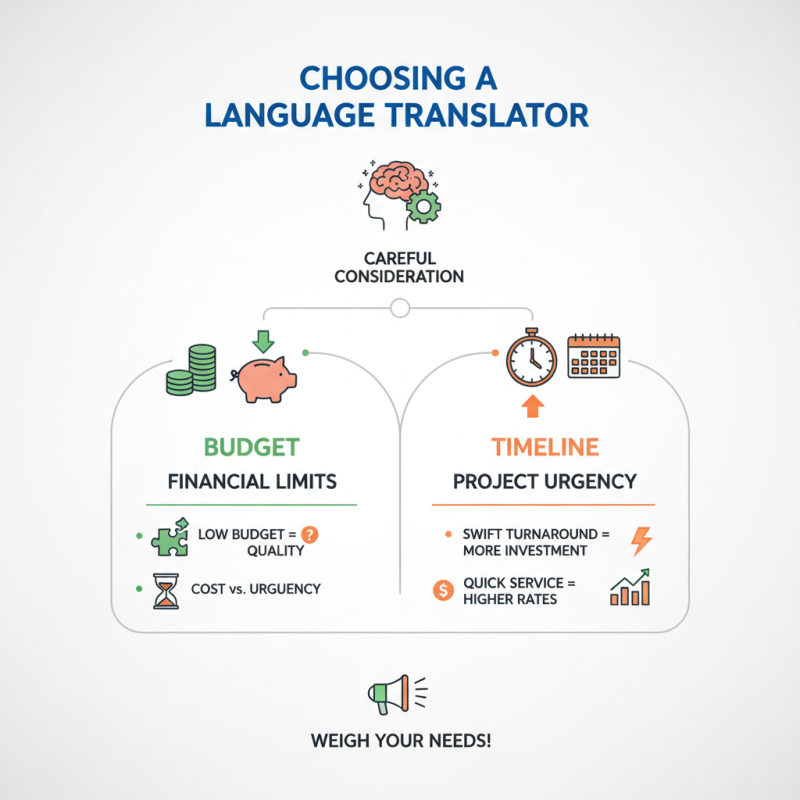
Don't overlook cultural nuances. Language is more than just words; it's a reflection of culture. Ensure the translators understand these subtleties. This understanding enhances the quality of the translation. Finally, consider your budget. While cost matters, quality should remain a priority. Balancing these elements can lead to effective outcomes.
Understanding Your Translation Needs and Goals
Understanding your translation needs is crucial for selecting the right translator. Start by identifying the type of content you need translated. Are these legal documents, marketing materials, or technical manuals? Each type has a different tone and terminology. Your choice of translator should reflect this specificity. A translator experienced in one area may not be suitable for another.
Next, consider your target audience. Who will read the translated material? Knowing the cultural and linguistic preferences of your audience can guide your decision. For instance, a casual tone may work for marketing copy, while a formal style suits legal texts. You might even find discrepancies in local dialects that could affect comprehension.
It is vital to reflect on your goals as well. Are you focusing on literal accuracy or persuasive language? Sometimes, a translator might favor one over the other, leading to a mismatch with your expectations. Having clear objectives can help mitigate this. Engage in discussions with potential translators about their understanding of your needs. This exchange can reveal their flexibility and awareness of your project.
Evaluating the Language Pair and Subject Matter Expertise
When selecting a language translator, evaluating the language pair is crucial. Some statistics show that nearly 70% of translation errors stem from misunderstandings in the source language. For example, translating from Mandarin to English often presents unique challenges not found in European language pairs. Cultural nuances can easily be overlooked.
Subject matter expertise should not be underestimated. A translator familiar with legal terminology is essential for contracts. A 2022 report indicates that 45% of businesses experienced financial loss due to poor translations in technical fields. It's alarming to think that specialized knowledge can significantly impact business outcomes.
However, finding a translator with expertise in both the language pair and subject matter can be tricky. Less experienced translators might undervalue their skills. Some may accept jobs outside their competency. This can lead to mistranslations, potentially damaging your reputation. Therefore, careful consideration of a translator’s background is necessary to avoid such pitfalls.
Researching Translator Credentials and Experience
When researching language translators, credentials and experience are crucial. Many users overlook these aspects. However, a translator's qualifications significantly impact translation quality. According to reports from the American Translators Association, certified translators have a 25% higher accuracy rate compared to non-certified ones.
Experience also plays a vital role. A translator with a decade of experience can navigate complex texts more effectively than a newcomer. Data indicates that 70% of clients prefer translators who specialize in specific fields. This specialization often leads to more precise and contextually accurate translations.
In the end, it's essential to reflect on how much attention you give to credentials. Not all professionals are created equal. Some might have degrees but lack practical experience. Others may have years of practice without formal education. Finding the right balance is essential.
10 Tips for Choosing the Best Language Translators for Your Needs
| Tip Number |
Description |
Considerations |
Importance Level |
| 1 |
Research their credentials |
Look for certifications, degrees, or linguistic qualifications |
High |
| 2 |
Assess relevant experience |
Check their experience in specific industries |
High |
| 3 |
Read client testimonials |
Feedback from previous clients can indicate quality |
Medium |
| 4 |
Evaluate their specialization |
Choose translators who specialize in your subject matter |
High |
| 5 |
Look for cultural knowledge |
Understanding of cultural nuances enhances translation quality |
Medium |
| 6 |
Check for confidentiality agreements |
Ensure your documents will be kept secure |
High |
| 7 |
Ask about their process |
Understanding their workflow can give insights on quality |
Medium |
| 8 |
Compare pricing |
Evaluate costs but prioritize quality over the lowest price |
Medium |
| 9 |
Inquire about turnaround times |
Ensure their timeline aligns with your needs |
Medium |
| 10 |
Ensure ongoing support |
Check if they offer revisions and support after delivery |
High |
Assessing Translation Tools and Technologies Used
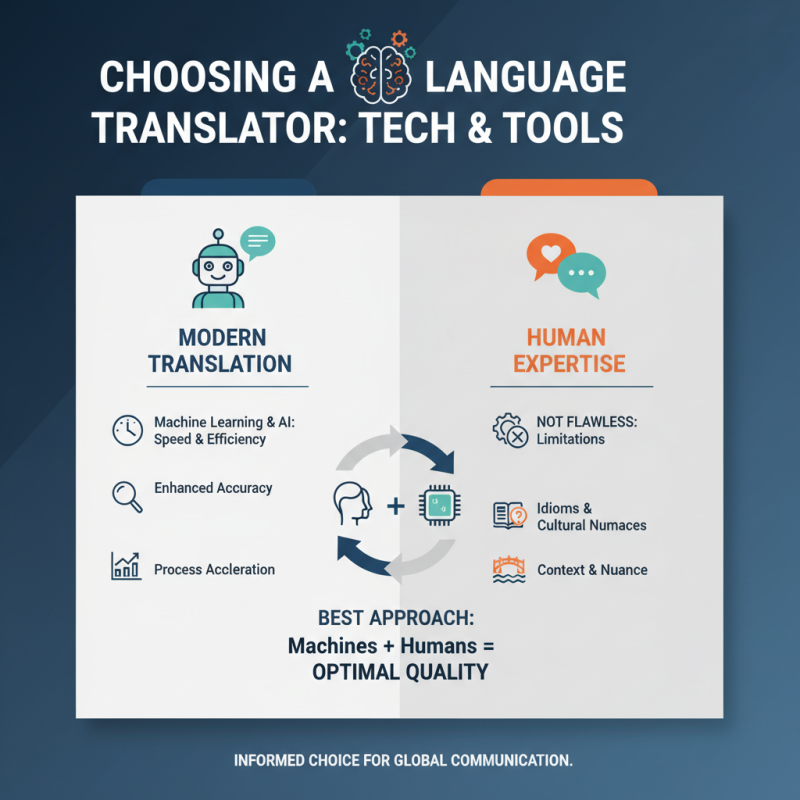
When selecting a language translator, understanding the tools and technologies behind the service is crucial. Many translation providers now utilize advanced software, including machine learning and artificial intelligence. These technologies can speed up the process and enhance accuracy. However, they are not flawless. Relying solely on automated systems can lead to mistakes, especially with idiomatic expressions and cultural nuances.
It's essential to examine the translation tools being used. Some platforms offer user-friendly interfaces that allow for easy adjustments. Others may require more technical knowledge, which can be a barrier for some users. In addition, the collaboration between human translators and technology often yields the best results. Human expertise is invaluable in ensuring that context and tone are preserved during translation.
Don’t overlook the importance of testing different tools. Evaluate their strengths and weaknesses by translating varied content types. This will help identify which technologies work best for your specific needs. Experimenting with diverse options can lead to surprising findings, but it may also expose potential shortcomings. It's a continuous process of discovery and adaptation.
.svg)


.svg)

.svg)


 052925 - AI Translation 101 (1).png)


.svg)

.svg)


.jpg)