How to Localize Product Translation for China Top Suppliers?
For China’s top suppliers, product translation is not a simple word replacement task. It connects product specifications, buyer expectations, factory capabilities, and regional business habits. A well-translated catalog should make a technical detail feel clear at the purchasing desk. It should also sound natural on a product page, quotation sheet, or packaging label. That is where teams need to localize translation with discipline, not guesswork.
Accuracy comes first.
Experienced sourcing teams review terminology with engineers, sales managers, and native Chinese reviewers. They check measurements, material names, safety instructions, model numbers, and warranty language. A small error in “stainless steel” or voltage information can create costly confusion. Product images deserve attention too. Text inside diagrams may need redesign, not direct translation. Chinese buyers may also respond better to practical benefits, such as delivery stability, quality inspection steps, and after-sales support. These details build credibility when they reflect real supplier processes.
Still, no localization method is flawless. Direct feedback from distributors can reveal awkward wording that professional reviewers miss. Machine translation may save time, but it should not approve final technical content alone. Regional preferences also vary across industries. A medical equipment buyer, an electronics importer, and a furniture wholesaler will not read product claims in the same way. This guide explores reliable workflows for localizing supplier materials, validating terminology, and preserving the original product meaning. The goal is not decorative language. It is dependable communication that helps international buyers compare products, ask better questions, and make informed purchasing decisions.
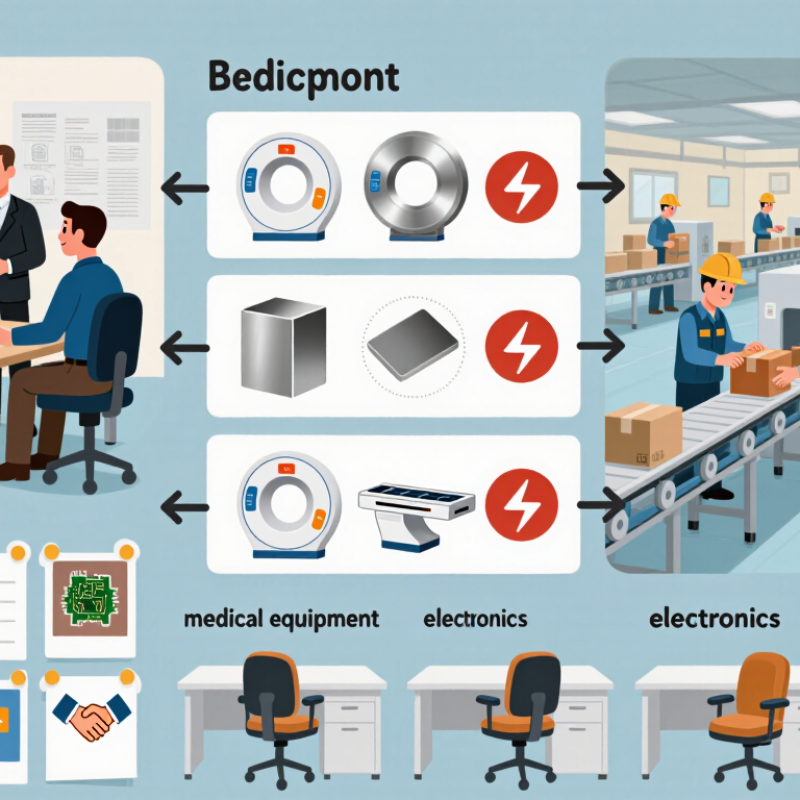
Define China’s Target Market and Product Localization Goals
How to Localize Product Translation for China Top Suppliers?
Define China’s target market before translating a single product page. Identify the buyer, city tier, purchasing channel, and typical use case. A young online shopper may prefer concise benefits and visual instructions. A professional buyer may expect specifications, tolerances, and clear service terms. Local language choices should reflect these differences. In our early projects, we described the market too broadly. That produced accurate translations with weak commercial focus. The lesson was simple: translation quality depends on audience definition.
Tips: Write three customer profiles before localization begins. Record their age range, buying motivation, technical knowledge, and preferred channels. Then set measurable goals, such as fewer support questions, higher inquiry quality, or clearer product comparisons. Test key terms with native reviewers who understand the product category. Small details matter. For example, measurements, operating steps, and warning language must remain consistent and easy to scan.
Localization should also match supplier capabilities and product positioning. Do not promise benefits that the product cannot reliably deliver. Check every claim against technical documents and applicable requirements. Our second review often finds awkward phrases that passed the first check. That is normal. A practical workflow uses customer feedback, supplier interviews, and repeated revisions. The goal is not perfect wording alone. It is useful, trusted communication for a clearly defined Chinese audience.
Analyze Cultural, Linguistic, and Regulatory Translation Requirements
For China-bound suppliers, localization is not a word swap. It is part of product quality control. CSA Research’s 2020 report, “Can’t Read, Won’t Buy,” found that 76% of surveyed consumers preferred product information in their own language, while 40% would not buy from English-only websites. The survey covered 8,709 consumers across 29 countries, so it signals broad language preferences, not China-specific behavior. Clear specifications, setup instructions, and service terms can reduce friction before purchase.
A technically correct phrase can still feel imported. A “compact” appliance may need dimensions in millimeters and a clear example of how it fits a typical room. Use Simplified Chinese for mainland-facing materials, but do not assume one glossary suits every buyer or channel. Keep model numbers, torque values, and warnings consistent across packaging, manuals, listings, and quotations. Details matter. Ask a native-language reviewer to check the text on an actual product page, not only in a spreadsheet.
Regulatory translation needs its own review. Chinese-language labels and manuals may need to follow applicable national GB standards and product-category requirements; obligations vary by product and sales route. Preserve warning strength, units, material names, and traceability fields. Then ask a qualified local compliance specialist to verify the wording against current requirements. It is easy to miss. A rushed translation can make a compliant design unclear—or introduce claims absent from the source.
China Food-Label Localization: Regulatory Milestones
Key effective dates for China’s general food-labeling and nutrition-labeling standards
The bars count the selected standards taking effect in each year—not compliance scores. The 2025 editions of GB 7718 and GB 28050 take effect on March 16, 2027, so product teams should plan Chinese-language label reviews ahead of that date. This chart covers food labeling; requirements for other product categories differ.
Standards referenced: GB 7718-2011, GB 28050-2011, GB 7718-2025 and GB 28050-2025 (National Standards of the People’s Republic of China).
Adapt Product Names, Features, Packaging, and User Instructions
Product names need to sound clear, not merely translated. A direct rendering may feel awkward or suggest the wrong use. Check how Chinese customers search for the item, then test several name options with local reviewers. Keep important model numbers consistent across listings, cartons, and manuals. Small mismatches create doubt.
Features need the same care. Convert measurements into familiar units, and explain what a feature does in everyday use. A “quiet motor” is more helpful when the listing says it suits a small apartment or late-night routine. Avoid claims that the product cannot support. Ask product engineers to confirm technical terms, then have a fluent Chinese editor check whether the wording feels natural. These checks catch different problems.
Packaging is part of the product experience. Review the front panel, icons, safety notes, and the text visible when a carton is opened. Instructions should use short steps, clear diagrams, and consistent names for buttons and parts. For example, “press the lower round button for three seconds” is easier to follow than “activate the function.” Test the translated steps with someone unfamiliar with the product. We sometimes find that a diagram still causes confusion, even after careful editing. That is worth fixing before printing.
| Localization Dimension | Information to Review | Example Adaptation | Why It Matters | Quality Check |
|---|---|---|---|---|
| Product name | Meaning, pronunciation, product category, and terms used by local buyers. | Replace a vague name such as “Smart Mixer” with a clear descriptive name such as “Rechargeable Handheld Blender.” Have a qualified translator prepare and review the Chinese-language version. | A descriptive name helps buyers understand the product and distinguish it from unrelated appliances. | Confirm that the name accurately describes the product, avoids unsupported claims, and is consistent across the quotation, label, catalog, and online listing. |
| Features and specifications | Technical terms, units, operating conditions, and the difference between standard and optional features. | Present capacity in milliliters or liters, dimensions in millimeters or centimeters, and electrical ratings with the applicable voltage and frequency stated clearly. | Consistent units and precise specifications reduce comparison errors and clarification requests during sourcing. | Check every translated figure against the approved technical data sheet. Do not convert or round values without engineering approval. |
| Product claims | Statements about performance, materials, safety, durability, and environmental benefits. | Replace broad wording such as “completely safe” with a verifiable description of the tested feature, method, or applicable limitation. | Specific, supportable claims are easier to verify and less likely to create misunderstandings or compliance concerns. | Require evidence for measurable claims and review wording against the product’s test reports, specifications, and intended market requirements. |
| Packaging and labels | Language, product identifiers, contents, handling information, warnings, and space for required local information. | Prepare a Chinese-language label layout where required, keep model and quantity information consistent with the packing list, and reserve space for market-specific markings. | Clear packaging supports receiving, inventory identification, and correct handling throughout the supply chain. | Review final artwork at actual print size. Confirm legibility, correct model details, and that any required markings have been verified for the product and destination market. |
| User instructions | Setup, operating steps, maintenance, troubleshooting, and warnings. | Use short numbered steps, explain technical terms on first use, and place each warning beside the relevant action rather than in a distant section. | Well-structured instructions are easier to follow and help prevent incorrect use or avoidable support queries. | Ask a native-language reviewer to check clarity, then verify every instruction against the tested product and approved safety information. |
| Warnings and symbols | Hazards, prohibited actions, symbol meaning, and the relationship between icons and written text. | Pair a recognized symbol with a concise written explanation when the symbol alone may not communicate the required action clearly. | Symbols can be interpreted differently across audiences; paired text makes intended actions more explicit. | Check that symbols are appropriate for the product and destination, and that translated warnings preserve the original level of severity. |
| Dates, quantities, and formats | Date order, decimal notation, temperature units, carton quantities, and number consistency. | Write dates with an unambiguous month name or an agreed year-month-day format, and identify units beside all measurements. | Clear formats reduce confusion in production schedules, inspection records, and shipping documents. | Compare dates, quantities, and units across the purchase order, specification sheet, packaging artwork, and shipping documents. |
| Terminology consistency | Preferred translations for parts, materials, controls, product models, and packaging terms. | Create a bilingual glossary for recurring terms such as “charging port,” “power adapter,” and “outer carton,” and use it in every document. | Consistent terminology makes it easier for suppliers, inspectors, and buyers to coordinate around the same product details. | Maintain one approved glossary and version-controlled source files; review updates before reusing translated content. |
Review Translations with Native Chinese Industry Specialists
Product translation for China’s top suppliers is not a word-for-word exercise. A technically correct phrase can still sound vague on a specification sheet or confusing beside a product diagram. Native Chinese industry specialists can check whether terminology matches how buyers, engineers, and sourcing teams actually communicate. Simple.
Give reviewers the source files, product photos, existing glossary, and a clear description of the intended reader. They need context, not just isolated strings. Ask them to inspect dimensions, material names, surface finishes, warning labels, and units against the actual product. A term for a metal coating, for example, may differ from the wording used in a sales brochure. On a drawing, precision matters more than elegance. That can feel dry.
Request comments on unclear source text as well as Chinese wording. If the English specification leaves a tolerance undefined, translation cannot repair the missing detail. Reviewers should flag it for the product team instead of guessing. A second check by an engineer or category specialist can catch errors before files reach buyers. No review is perfect. Local usage also shifts across industries and regions. Keep a record of approved terms, then revisit them when products or specifications change.
Test, Publish, and Continuously Improve the Localized Content
For China’s top suppliers, localized product content should be tested where buyers use it: search results, product pages, and quotation requests. An accurate translation can still feel unclear if a material name, tolerance, or delivery term is unfamiliar. Ask local sales staff and a small group of target buyers to review key pages. Have them explain each specification instead of asking whether the wording “looks fine.” Small distinction, big difference. Check the Chinese copy on a phone, too; crowded tables and clipped buttons can hide important details.
Publish in controlled batches rather than replacing every product page at once. Record the original wording, revised terms, and publish date, then monitor search impressions, inquiry quality, and repeated buyer questions. If several people ask whether a dimension is internal or external, revise that line and its diagram. Don’t chase clicks alone. Some pages may gain traffic but attract mismatched inquiries; that is useful evidence, not a win. Review changes with a fluent editor and product specialist before release, especially when specifications change. Some wording will still miss the mark. At the next review, bring the five most common buyer questions into the editing session.
Related Posts
-
Localize Translation Tips for Global Buyers How to Succeed?
-

China Top 10 Professional Translator Companies?
-

2026 Best Translation Management System to Boost Your Workflow?
-

What is Cat Tools in Translation and How Do They Work?
-

How to Choose the Best Translation Software for Your Needs?
-

Top Benefits of Smartling Translation for Global Business Success