How to Buy a Forthing Friday Compact SUV?
Buying a new Compact Suv Forthing Friday requires more than comparing attractive photographs and monthly prices. A careful decision begins with verified specifications, local availability, and realistic ownership costs. Check the official Forthing website, authorized dealers, and current registration requirements in your market. Online listings can be outdated. That small detail matters.
Before visiting a showroom, record your daily driving needs. Measure your parking space, note your usual passenger count, and estimate weekly mileage. A family carrying sports equipment may need different rear-seat flexibility than a city commuter. Ask the dealer about engine options, fuel consumption testing, safety equipment, service intervals, and warranty coverage. Request written details rather than relying only on a salesperson’s explanation.
A proper test drive should include narrow streets, uneven surfaces, and highway speeds. Listen for unusual cabin noise and check whether the driving position feels natural. Try the rear doors and luggage area yourself. These actions reveal practical issues that brochures often miss. Compare insurance quotes and scheduled maintenance costs before discussing finance. Interest rates can change the apparent value quickly.
This guide explains how to research, inspect, test, and negotiate for the Forthing Friday Compact SUV. It emphasizes reliable sources and evidence from real driving conditions. However, no guide can remove every uncertainty. Dealer support may differ between regions, and equipment can change between model years. I may overlook a detail specific to your market. Verify every important claim before signing any purchase document.
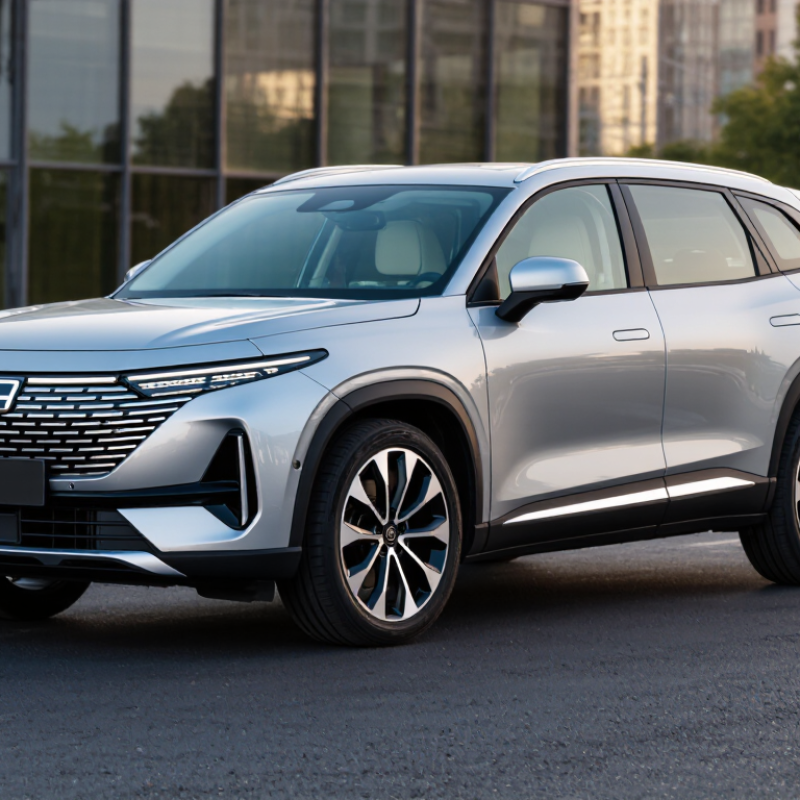
Define the Forthing Friday’s WLTP Range, Battery Capacity, and Power Output
How to Buy a Compact Electric SUV?
A practical purchase starts with three figures: WLTP range, battery capacity, and power output. The standard version uses a 57.8 kWh battery and offers approximately 320 km of WLTP range. Its electric motor produces about 150 kW, or roughly 204 horsepower. That output feels confident in city traffic and remains capable during motorway overtaking.
An extended-range version may carry an 85.9 kWh battery and achieve about 430 km under WLTP testing. These figures are useful for comparison, but they are not daily promises. Cold weather, high speeds, passengers, and heating can reduce the real distance noticeably. Check the label. Battery size also affects charging stops, vehicle weight, and purchase cost. A larger pack sounds better, yet it may be unnecessary for short urban commutes.
During a test drive, watch the energy display after a few kilometres. Compare its estimated range with your normal route, not an ideal brochure journey. Ask the seller about usable battery capacity, charging speed, warranty coverage, and software updates. Power output alone does not reveal driving quality; throttle response and regenerative braking matter too. I would leave room for doubt, because published specifications can differ between markets or model years. One overlooked detail is enough to change the buying decision.
Compare Energy Use in kWh/100 km with Rival Compact Electric SUVs
When shopping for a compact electric SUV, compare energy use in kWh/100 km before focusing on screen size or trim. A lower figure generally means less electricity is needed to cover the same distance. Check the test conditions, though. Published results may use different routes, temperatures, and speeds, so figures are not always directly comparable.
Look at several rival vehicles in the same class, then consider how you actually drive. A short city commute with frequent stops differs from a cold-weather highway trip. Ask whether the quoted figure comes from a standardized test or real-world driving, and check the battery size and charging details too. Small differences matter less than consistent results.
Numbers need context. A model showing 16 kWh/100 km may use more during winter, with heating on or at motorway speeds. That is normal, but it can affect running costs. Estimate your monthly distance and multiply it by the vehicle’s energy-use figure, then compare local electricity prices. It is only a rough estimate. I would also allow a margin for weather and driving habits; this part is easy to underestimate.
How to Buy a Forthing Friday Compact SUV? — Compare Energy Use
Lower energy use means less electricity consumed per 100 km. The figures shown are representative published WLTP consumption values for comparable compact electric SUVs; the Friday figure is an indicative published value and uses a different test-cycle basis. Test cycles, equipment and conditions vary, so compare official figures for the exact market and vehicle version before buying.
Check Euro NCAP Safety Ratings, ADAS Features, and Warranty Coverage
Before buying a compact SUV, check its exact Euro NCAP result, model year, and tested equipment. Ratings apply to specific versions; a similarly named vehicle may have different safety features. Euro NCAP assesses adult and child occupant protection, vulnerable road-user protection, and safety assistance. Read the detailed score breakdown, not just the star rating. A strong overall score can hide weaker performance in one area.
ADAS can help, but it cannot replace attentive driving. Check whether automatic emergency braking, lane support, and blind-spot monitoring are standard or optional. IIHS research found that front crash prevention with automatic braking reduced rear-end crashes by about 50 percent. Test alerts during a drive: a steering-wheel vibration or warning chime should be clear, not startling. Systems vary. I would also check whether settings remain active after restarting the car; this detail is easy to overlook.
Tips: Ask the dealer for the warranty booklet, not just a verbal summary. Confirm the coverage period, mileage limit, battery terms, roadside assistance, and exclusions. Check whether servicing must follow a specific schedule, and keep receipts. A long warranty sounds reassuring, but unclear exclusions can weaken its value. Euro NCAP and IIHS data help compare safety; the written warranty helps reveal likely ownership costs.
How to Buy a Compact SUV: Check Safety Ratings, ADAS Features, and Warranty Coverage
| What to Check | Reliable Information to Verify | Questions to Ask Before Buying |
|---|---|---|
| Euro NCAP rating | Look up the exact vehicle, model year, body style, and test result in Euro NCAP’s official database. Ratings are awarded from zero to five stars; protocols and assessment criteria can change over time. | Does the result apply to this exact model year and specification? When was the vehicle tested, and has the rating expired under Euro NCAP’s current validity rules? |
| Crash-protection categories | Review the separate scores for Adult Occupant Protection, Child Occupant Protection, Vulnerable Road User Protection, and Safety Assist. A star rating alone does not show performance in every category. | Which category is strongest or weakest? Are the tested child restraints and safety equipment relevant to how the vehicle will be used? |
| Advanced driver assistance systems (ADAS) | Check the specific trim’s equipment list for features such as autonomous emergency braking, lane-support systems, speed assistance, and driver-monitoring functions. Availability and operating conditions vary by vehicle and market. | Are the features standard or optional? Which road users can the emergency braking system detect, and what are the system’s stated limitations? |
| ADAS operation and calibration | Read the owner’s manual for sensor locations, warnings, and conditions that may limit operation. Windscreens, repairs, wheel alignment, or sensor replacement can require calibration according to the manufacturer’s procedures. | How are alerts and interventions adjusted? What calibration is required after a windscreen or collision repair, and who pays for it? |
| Airbags and child-seat provisions | Confirm the installed airbags and child-seat anchorages in the vehicle’s specification. Check the manual for approved child-seat positions and whether the front passenger airbag can be deactivated when required. | Are the anchor points compatible with the child seats you use? Does the vehicle have the seating and restraint equipment needed for your family? |
| Warranty duration and mileage limit | Request the written warranty terms for the country where the vehicle is purchased. Coverage periods, mileage limits, start dates, and exclusions vary by vehicle, market, and component. | When does coverage begin? Is there a mileage cap, and which parts have different coverage periods? |
| Warranty exclusions and servicing | Review exclusions, maintenance requirements, wear-item rules, repair authorization procedures, and any conditions for keeping the warranty valid. Use the contract and official warranty booklet rather than verbal assurances. | Which servicing records must be retained? Are repairs required to be carried out by an authorized facility, and what costs are not covered? |
| Road test and visibility | Test the vehicle on familiar roads and check seating comfort, visibility, braking response, parking ease, and the clarity of driver-assistance alerts. These checks complement—but do not replace—independent crash-test results. | Can you see clearly at junctions and while reversing? Do the controls and warnings feel easy to understand? |
| Purchase documentation | Compare the order form, vehicle specification, safety-equipment list, warranty booklet, and delivery documents. Confirm that optional equipment and the selected trim are recorded in writing. | Do the documents identify the exact model year, trim, equipment, warranty terms, and delivery condition? |
Calculate Total Cost Using Purchase Price, Charging, Insurance, and Tax
How to Buy a Forthing Friday Compact SUV?
Start with the negotiated purchase price, then add destination charges, registration, and any dealer-installed options. Ask for an itemized quote; a low headline price can hide fees. For an electric SUV, estimate charging from your expected monthly mileage, the vehicle’s energy use, and your electricity rate. The U.S. Energy Information Administration reported an average residential electricity price of 16.48 cents per kilowatt-hour in 2023. Your local rate may differ, and public fast charging often costs more. A simple estimate is monthly miles divided by miles per kilowatt-hour, multiplied by your price per kilowatt-hour. Allow extra for charging losses. Real-world use can be messier.
Insurance and tax can shift the total substantially. Request insurance quotes using the exact vehicle trim and your address before signing; premiums vary with driving history, coverage, and repair costs. AAA’s 2024 Your Driving Costs study estimated average annual ownership costs for a new vehicle at $12,297, including depreciation, insurance, fuel, and maintenance. Treat this as context, not a quote for one SUV. Check your local sales tax, registration charges, and eligibility rules for any incentives, since these depend on location and can change. Compare costs over the same ownership period, such as five years, and include financing interest if you will borrow.
Confirm Dealer Support, Charging Compatibility, and Test-Drive Conditions
Before buying a compact electric SUV, confirm the dealer’s support in writing. Ask who handles software updates, battery diagnostics, and roadside assistance. Request the service interval and estimated repair times. A polished showroom is not enough.
The IEA’s Global EV Outlook 2024 reports that global electric car sales exceeded 14 million in 2023, increasing demand for trained technicians and dependable parts supply. Smaller dealers may not have either.
Charging compatibility deserves a practical check. Confirm the vehicle’s connector, maximum AC charging rate, DC fast-charging standard, and included cables. Compare them with chargers near your home, workplace, and regular highway routes.
The U.S. Department of Energy’s Alternative Fuels Data Center tracks connector types and public charging locations, but station availability can change. Check the same route twice. Software matters too; ask whether navigation shows live charger status and whether updates require a service visit.
Arrange a test drive under realistic conditions. Bring a phone, child seat, or luggage if these reflect daily use. Test visibility, turning space, brake response, cabin noise, and charging-port access. Request a cold-start drive if possible, because range estimates can feel optimistic in poor weather.
The IEA notes that charging access remains a key factor in EV adoption. I would also ask for a written battery-warranty explanation. Do not rely on a verbal promise.
My own mistake would be judging the vehicle after ten quiet showroom minutes. That is not enough.