10 Best Freelance Translator Platforms for Global Buyers?

For global buyers, finding a reliable freelance translator can feel like choosing a bridge across unfamiliar terrain. A polished profile is useful, but it does not guarantee consistent quality. Language expertise, subject knowledge, communication habits, and deadline discipline matter just as much.

This guide reviews 10 leading freelance translator platforms through a buyer-focused lens. It considers translator vetting, language coverage, portfolio evidence, client reviews, pricing clarity, and project management tools. It also examines practical details, such as whether a platform supports terminology discussions, file sharing, revisions, and secure payments. Small details often decide whether a translation project runs smoothly.

No platform is perfect.

Some marketplaces offer broad talent but uneven screening. Others provide stronger quality controls, yet their prices may exceed a small business budget. A buyer seeking a medical, technical, financial, or legal translation should look beyond star ratings. Relevant samples, verified experience, and clear confidentiality practices deserve closer attention. Machine-assisted workflows may improve speed, but human review remains important for tone, context, and cultural accuracy.

The ranking reflects usability and trust, not a universal truth. A platform that suits an international retailer may disappoint a software company with complex terminology. Buyers should compare several options, ask focused questions, and request a sample when appropriate. Even careful research can miss hidden weaknesses. That is worth remembering.

With these limitations in mind, the following platforms offer useful starting points for buyers who need dependable multilingual support, transparent communication, and results that work beyond a simple word-for-word conversion.
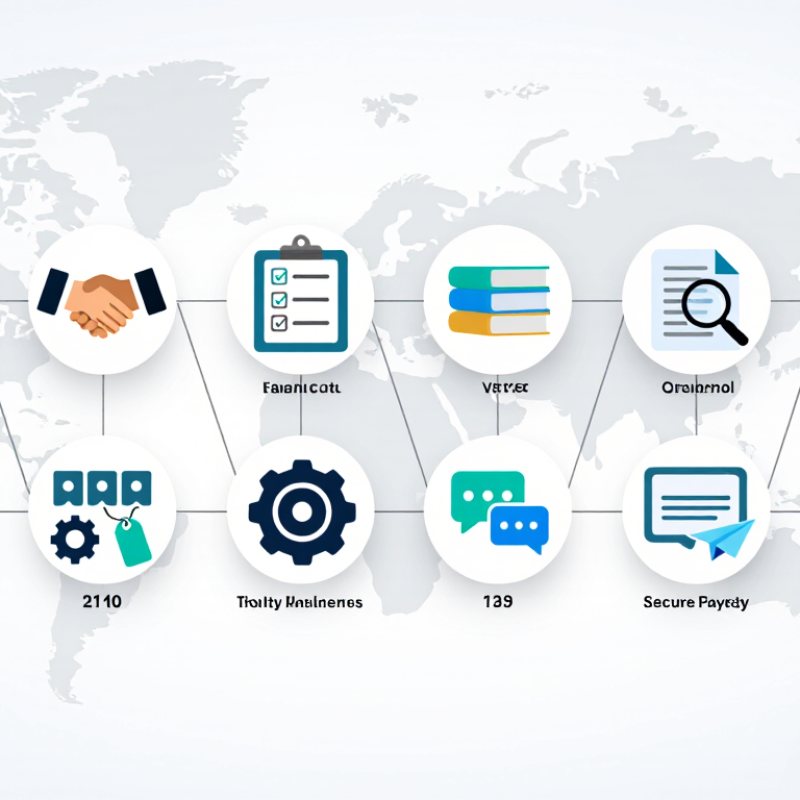
10 Best Freelance Translator Platforms for Global Buyers?

What Freelance Translator Platforms Are and How They Work

Freelance translator platforms are online marketplaces connecting global buyers with independent language professionals. Buyers post a project, define the language pair, upload files, and set a deadline. Translators respond with proposals, prices, and delivery plans. Some platforms use skill tests, identity checks, portfolios, and client reviews to support matching. Payments often move through milestones or protected holding systems, reducing uncertainty for both sides.

Language quality directly affects purchasing decisions. CSA Research reported that 65% of consumers prefer content in their own language, while 40% will not buy from websites in other languages. These figures explain the demand for specialized freelance translators. Buyers should check subject expertise, terminology samples, revision policies, and confidentiality procedures. A low price may look attractive. It can create expensive corrections later. The platform’s rating system also helps, but it is not perfect. A five-star score cannot fully measure cultural accuracy, tone, or research discipline.

Tips: Write a detailed project brief with audience, purpose, word count, file format, and regional preference. Ask for a short sample using your real terminology. Use milestones for large projects and leave time for review. Industry reports from CSA Research and Nimdzi show a complex, expanding language-services market, yet platform data remains uneven. That gap requires practical judgment. Even experienced buyers sometimes choose speed over fit, then regret it.

Key Criteria for Evaluating Translation Platforms

When evaluating freelance translator platforms, begin with language quality, not the lowest price. Look for translators with subject-specific experience, verified credentials, and clear samples. A legal, medical, or technical project needs different vocabulary and review standards. Check whether profiles explain native-language ability and editing experience. Reviews help, but they can be incomplete. I prefer platforms that show detailed client feedback and realistic delivery records.

Pricing should be transparent, with separate details for translation, editing, formatting, and urgent work. A reliable platform explains revision limits, payment stages, confidentiality practices, and dispute procedures. Test communication before committing to a large project. Ask one precise question about terminology or tone. The response often reveals more than a polished profile. Fast delivery is useful, but rushed work may create expensive corrections. No platform is perfect.

Tips: Compare three qualified profiles before choosing. Request a short paid sample for important content. Provide a glossary, audience description, and reference files. Keep instructions written and specific. Review the first delivery carefully, especially numbers, names, and formatting. I have sometimes trusted fluent wording too quickly, then found small meaning changes later. That mistake is easy to repeat. A second review can protect the message, even when the translator seems highly experienced.

10 Best Freelance Translator Platforms for Global Buyers? - Key Criteria for Evaluating Translation Platforms

Rank Anonymous Platform Profile Operating Model Typical Language Coverage Typical Price Range
per Source Word (USD)
Buyer Protection Translator Screening File & CAT-Tool Support Best Use Case Overall Evaluation
1 Curated Expert Marketplace Managed marketplace with pre-screened independent translators 50+ languages; strong coverage for major business languages $0.08–$0.25 Escrow, milestone approval, dispute assistance Portfolio review, language testing, identity verification DOCX, XLSX, PPTX, PDF, subtitle files and common CAT workflows Business, legal, technical and marketing projects Excellent — strong quality control and buyer support
2 Open Global Freelancer Marketplace Open bidding marketplace with public freelancer profiles 100+ languages and regional variants $0.03–$0.18 Escrow, workroom messaging and formal dispute process Varies by freelancer; reviews, work history and tests may be available Standard office formats, images, audio and basic localization files Budget-sensitive projects and multilingual vendor discovery Very Good — broad choice and competitive pricing
3 Specialist Language-Network Marketplace Niche network organized by language pair and subject area 20–60 languages; deep expertise in selected pairs $0.10–$0.30 Escrow or staged payment; quality-revision terms Subject-matter credentials, references and sample review CAT packages, terminology lists, translation memories and PDFs Medical, financial, patent and regulatory translation Very Good — ideal for high-specialization content
4 Fast-Turnaround Project Marketplace On-demand matching for short and urgent assignments 40+ languages; strongest availability in common pairs $0.06–$0.22 Platform payment processing and defined revision window Profile checks and performance ratings; depth varies DOCX, PPTX, XLSX, HTML, SRT and short-form content Website updates, product listings and urgent correspondence Good — convenient when delivery speed is critical
5 Localization-Focused Marketplace Freelancer marketplace centered on cultural adaptation 30–80 languages, including regional dialects $0.07–$0.24 Escrow or platform-managed payment with revision terms Native-language profiles, portfolio samples and market experience Web copy, app strings, metadata, subtitles and design files International marketing, e-commerce and software localization Good — particularly useful for market adaptation
6 Subscription-Based Translation Marketplace Recurring plan with monthly translation capacity Usually 20–50 languages Effective rate often $0.06–$0.20 Plan terms, service limits and defined correction policy Internal matching and quality monitoring; details vary Common office files and web-content formats; integration varies Recurring content, customer support and regular business updates Good — predictable costs for ongoing demand
7 Enterprise Vendor Marketplace Managed supplier network with project coordination tools 60+ languages and multiple regional variants $0.10–$0.35 Purchase orders, contracts, confidentiality terms and escalation Credential verification, vendor onboarding and quality audits CAT-tool packages, APIs, glossaries and translation memories Large multilingual programs and repeat corporate procurement Good — strongest administrative and workflow controls
8 Community-Based Translator Marketplace Large community marketplace with direct buyer contact 100+ languages, with uneven specialist availability $0.03–$0.15 Payment protection and ratings; buyer due diligence is important Profile history, client reviews and optional skills tests Basic document formats; advanced localization support varies Simple documents, general content and low-risk assignments Good Value — broad supply and lower entry prices
9 Media and Subtitling Marketplace Freelancer network specializing in audiovisual translation 30–70 languages $2–$12 per video minute or $0.06–$0.20 per word Milestone payment, file review and revision arrangements Demo reels, language testing and media experience SRT, VTT, ASS, scripts, time-coded files and audio references Subtitles, captions, dubbing scripts and transcreation Good — specialized tools for video-related work
10 Direct Independent Translator Directory Searchable directory connecting buyers directly with freelancers Varies by directory; commonly 20–100 languages $0.05–$0.25 Usually negotiated directly; contract and payment checks are essential Credentials and profiles may be listed; verification depth varies Determined by the individual translator Buyers seeking long-term direct relationships Best for Experienced Buyers — flexible but requires careful screening
Evaluation note: Prices are representative freelance-market ranges and can change according to language pair, subject matter, urgency, formatting, certification, editing requirements and project volume. Buyers should verify current rates, confidentiality terms, revision policies and translator credentials before placing an order.

Profiles of the 10 Best Platforms for Global Buyers

Global Marketplace offers broad language coverage and fast quote comparisons. It suits buyers needing common business, travel, or product translations. Check portfolio samples carefully. Low prices may hide limited revision support.

Vetted Specialist Network focuses on translators with tested subject knowledge. It works well for technical manuals, financial reports, and software interfaces. Profiles often show credentials, language pairs, and review history. Still, verification standards can vary by project.

Regional Language Hub connects buyers with translators who understand local expressions. This helps when a literal translation sounds unnatural. I have found regional insight valuable for packaging and customer messages. However, smaller language markets may have fewer available professionals.

Legal-Safe Translation Exchange provides structured workflows for confidential documents. Buyers can review permissions, file handling, and delivery records before hiring. It should not replace qualified legal advice.

Creative Localization Studio supports advertising, scripts, and culturally sensitive campaigns. Translators usually adapt tone instead of translating every word. Ask for audience testing when the message carries humor.

Academic Editing Network serves researchers, students, and institutions. Editors can improve clarity while preserving the writer’s argument. Confirm whether the service includes editing, translation, or both.

Fast-Turnaround Translation Board helps with urgent files and short deadlines. Speed can be useful, but rushed work needs a second review. I once underestimated review time. That mistake was costly.

Human-Machine Review Platform combines automated drafts with professional checking. It can reduce expenses for repetitive content. Quality still depends on the reviewer’s expertise.

Accessible Language Service supports plain-language, captioning, and audio-related needs. It benefits public-facing teams serving diverse audiences. Ask about formatting support before delivery.

Long-Term Partner Network suits buyers managing recurring multilingual content. Consistent translators learn terminology and preferred style. The relationship takes time. Early projects may reveal gaps in process, pricing, or communication.

10 Best Freelance Translator Platforms for Global Buyers

The chart compares ten anonymized platform profiles using a normalized buyer-readiness score from 0 to 100. The score combines language coverage, translator verification, project-management tools, payment protection, and buyer support. It is an editorial comparison framework rather than a market-share ranking.

Higher scores indicate stronger overall suitability for international buyers seeking verified translators, transparent workflows, secure payments, and broad language support.

Pricing, Languages, Specializations, and Buyer Protections

10 Best Freelance Translator Platforms for Global Buyers

Choosing among ten freelance translator platforms requires more than comparing headline rates. Pricing may appear per word, per hour, or per project. A short product description can cost less than a technical manual, even at the same word count. Check whether editing, formatting, rush delivery, and taxes are included. Language coverage also matters. Some platforms offer common language pairs, while others provide regional dialects and less widely served languages.

Specialization is often the real quality test. Look for translators with verified samples in medicine, finance, software, legal business, or marketing. Their profiles should explain terminology choices, not only list language skills. In my experience, a translator who asks for audience, tone, and file context usually produces safer work. Machine-assisted drafts may reduce costs, but they still need skilled human review. That step is easy to overlook.

Buyer protection should be visible before payment. Prefer platforms offering escrow, milestone approvals, identity checks, secure file exchange, and a clear dispute process. Read the refund terms carefully. Some protections cover missed deadlines but not poor style or changed requirements. Request a small paid sample when the project is sensitive. I once underestimated the time needed for a bilingual spreadsheet, and the cheapest quote became expensive after revisions. Pricing tables rarely show that risk. Keep terminology lists, source files, and approval notes in one place. Clear records protect both sides.

How to Choose the Right Platform for Your Translation Project

Choosing a freelance translator platform should begin with project risk, not search rankings. Identify your language pair, subject area, file type, deadline, and review needs. A medical brochure needs different expertise from a product listing. The translator’s credentials, sample work, native-language ability, and subject experience deserve careful checking.

CSA Research reported that 76% of online shoppers prefer products in their own language. Accuracy can directly influence trust and sales.

Compare platforms by quality controls, not only hourly rates. Look for structured portfolios, verified reviews, clear revision policies, secure file handling, and transparent payment terms. A useful platform should also support terminology lists and, where needed, computer-assisted translation workflows.

Slator’s 2024 Language Industry Market Report estimated the global language-services market at about 26.6 billion US dollars. That scale creates choice, but it also creates noise. A high rating may reflect speed rather than linguistic quality.

I have seen brief translations appear polished while missing local cultural meaning. That is an easy mistake to repeat.

Tips: Request a paid sample of 150–200 words. Give the same brief to two candidates. Check terminology, tone, punctuation, and cultural fit. Ask who performs the final review. Keep one reviewer outside the platform when the content is commercially sensitive. Do not assume machine-assisted work is automatically poor; do not assume human work is automatically perfect. A short test often reveals more than a long profile.