How to Use AI Language Translation in Global Sourcing 2026?

Global sourcing in 2026 depends on clear communication across languages, time zones, and business cultures. A buyer in Chicago may review a factory quotation from Shenzhen before breakfast. A supplier in Vietnam may answer technical questions during the buyer’s night. This is where ai language translation can support faster sourcing decisions. It can translate emails, product specifications, audit notes, and supplier presentations within minutes. Speed matters. Yet speed alone does not create a reliable supplier relationship.

Used carefully, translation technology helps procurement teams compare offers more consistently. A sourcing manager can create a shared glossary for materials, packaging, payment terms, and quality requirements. Industry terms matter. Small wording differences can change a delivery promise or inspection standard. The system should preserve measurements, model numbers, and contract references accurately. Human reviewers remain essential for sensitive quotations and technical documents. Their experience can detect a polite phrase that hides uncertainty. That step is often underestimated.

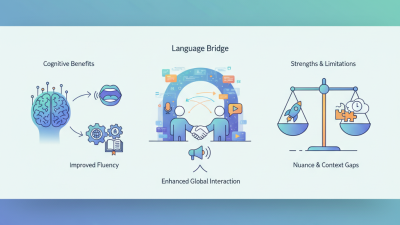
Trusted workflows combine AI assistance with professional language review, supplier verification, and documented approval records. Teams should test translations against original documents before making purchasing decisions. They should also protect confidential pricing and product information through approved business tools. No translation engine understands every cultural nuance. A translated sentence may sound correct but still feel unusually direct or vague. We should admit that limitation. This guide examines practical methods for using ai language translation in global sourcing, from supplier discovery to factory communication and quality follow-up. It focuses on measurable accuracy, responsible review, and lessons that real procurement teams can apply.

How to Use AI Language Translation in Global Sourcing 2026?

Understanding AI Language Translation in Global Sourcing

How to Use AI Language Translation in Global Sourcing 2026?

AI language translation helps sourcing teams understand suppliers, specifications, quotations, and production updates across borders. It converts technical messages quickly, often within seconds. However, translation is not simple word replacement. AI must interpret industry terms, measurement units, delivery conditions, and cultural context. A phrase about “sample approval” may carry different meanings for a factory and a buyer.

In practical sourcing work, I would use AI for first drafts, supplier comparisons, and routine communication. Human review remains essential for contracts, quality requirements, payment terms, and safety documents. One incorrect decimal point can change a material order. Translation quality also depends on the input. Short sentences, clear product codes, and shared glossaries reduce confusion. I have found that even accurate translations can sound too confident. That needs reflection.

Tips: Create a bilingual glossary for materials, defects, packaging, and delivery terms. Ask suppliers to confirm critical details in writing. Keep the original message beside the translated version. Avoid uploading confidential information without approved data-handling procedures. Test translations with experienced staff before using them widely.

AI translation can improve response speed and reduce communication costs. It may also hide uncertainty behind fluent wording. That is the weakness. Sourcing professionals should check numbers, names, quantities, and deadlines manually. They should record corrections and update their terminology guides. This creates a more reliable workflow over time, while respecting local communication styles and responsible business practices.

How to Use AI Language Translation in Global Sourcing 2026?

Understanding AI Language Translation in Global Sourcing

Estimated total speakers include native and second-language speakers, measured in millions. Prioritizing high-coverage languages can help sourcing teams improve supplier discovery, quotation review, contract communication, and cross-border collaboration when deploying AI translation workflows.

Data basis: widely cited 2024 global language-population estimates; figures are rounded.

Preparing Multilingual Sourcing Data and Communication Goals

How to Use AI Language Translation in Global Sourcing 2026?

Preparing multilingual sourcing data should begin before selecting an AI translation tool. Define target markets, communication goals, and approved terminology. Specify whether the system supports supplier inquiries, product specifications, inspections, or contract discussions. CSA Research reported that 76% of consumers prefer product information in their native language, while 40% will not buy from websites in other languages. These figures show why translation quality affects commercial trust.

Build a controlled language dataset from real sourcing materials. Include approved product names, material grades, measurement units, delivery terms, and recurring supplier questions. Keep the original sentence beside each translation. This creates an audit trail. Remove duplicated, vague, or outdated entries. Small errors spread quickly.

Set measurable review rules. For example, AI can translate routine inquiries automatically, while engineers review safety details and technical tolerances. Use confidence thresholds, terminology checks, and human approval for sensitive messages. Translation is not understanding.

In a practical pilot, compare translated messages with supplier replies. Check whether quantities, deadlines, and quality requirements remain unchanged. A useful metric is correction rate by language and document type. The result may be uncomfortable: fluent wording can still hide a wrong specification. The World Trade Organization has repeatedly identified information and coordination costs as barriers to international trade. Better multilingual data reduces those costs, but imperfect data will still produce imperfect decisions.

How to Use AI Language Translation in Global Sourcing 2026? - Preparing Multilingual Sourcing Data and Communication Goals

Sourcing Market Primary Working Language Language Code Writing System Typical Sourcing Data to Prepare Primary Communication Goal AI Translation Use Case Human Review Trigger Recommended Response Target
Mainland China Mandarin Chinese zh Simplified Chinese characters RFQs, product specifications, inspection criteria, packaging requirements, delivery schedules Reduce ambiguity in technical and commercial requirements Translate RFQs, supplier questions, quotations, and production updates Safety instructions, tolerances, legal clauses, and measurement units Initial translation within 15 minutes; approved response within 1 business day
Vietnam Vietnamese vi Latin alphabet with diacritics Supplier profiles, material declarations, production capacity, lead times, quality records Create consistent supplier onboarding and qualification records Extract structured fields from emails, forms, and supplier documents Missing fields, conflicting capacity figures, and quality nonconformities Complete document triage within 4 business hours
India English and Hindi en / hi Latin and Devanagari scripts Engineering drawings, compliance documents, cost breakdowns, certifications, production plans Maintain a reliable bilingual record for technical review and negotiation Translate technical correspondence and normalize terminology across teams Engineering changes, certification claims, contractual language, and numerical data Technical clarification within 1 business day
Bangladesh Bengali and English bn / en Bengali and Latin scripts Material composition, labor-compliance records, order quantities, production calendars, inspection reports Improve traceability of compliance and order-status information Translate status reports and classify compliance-related documents Worker-safety information, audit findings, and corrective-action commitments Acknowledge supplier updates within 1 business day
Turkey Turkish tr Latin alphabet with diacritics Incoterms, quotation sheets, export documents, product standards, delivery milestones Align commercial terms, shipping responsibilities, and delivery dates Translate quotations, logistics messages, and purchase-order discussions Incoterms, customs information, payment terms, and penalties Commercial query response within 8 business hours
Mexico Spanish es Latin alphabet with diacritics Nearshore capacity, labor standards, customs data, delivery routes, cost and lead-time records Support faster regional sourcing decisions and logistics coordination Translate bid responses, logistics updates, and supplier-qualification forms Customs classifications, tax details, legal commitments, and delivery exceptions Logistics exception acknowledged within 4 business hours
Poland Polish and English pl / en Latin alphabet with diacritics Industrial specifications, conformity documents, capacity plans, quality reports, shipment schedules Create an auditable record for regulated and technical sourcing activity Translate quality records and compare technical responses Conformity statements, standards references, product liability, and corrective actions Quality issue acknowledgment within 4 business hours
Brazil Portuguese pt Latin alphabet with diacritics Supplier registration, tax information, product specifications, freight terms, delivery commitments Improve clarity in supplier registration and domestic logistics coordination Translate supplier forms, quotations, invoices, and shipment communications Tax identifiers, fiscal documents, payment clauses, and regulatory declarations Document validation within 1 business day
Data preparation standard: Store the original text beside the translated text, preserve units and numbers exactly, use consistent language codes, maintain a controlled sourcing glossary, and route safety, legal, quality, and financial content to qualified human reviewers.

Selecting AI Translation Tools for Suppliers and Procurement Teams

In 2026, procurement teams need more than fast translation. They need dependable meaning. CSA Research’s Can’t Read, Won’t Buy study found that 65% of consumers prefer content in their own language, while 40% will not purchase in another language. For sourcing teams, one mistranslated material specification can create costly rework. A supplier may read “heat-resistant coating” as a general finish, not a certified requirement.

Choose tools that protect terminology, context, and confidentiality. Test them with real purchase orders, inspection notes, and technical drawings. Check whether the system handles measurement units, abbreviations, and supplier-specific vocabulary. Human review remains important for contracts, safety instructions, and quality disputes. The ISO 17100 standard also emphasizes qualified human processes in professional translation.

Adoption is accelerating. McKinsey’s 2024 State of AI report found that 72% of organizations regularly use AI in at least one business function. That does not make every translation tool reliable. Ask vendors how they train models, store data, audit outputs, and manage access. Require editable terminology lists and clear quality records. A useful pilot might compare 100 historical supplier messages across three languages. Measure accuracy, review time, and correction frequency. The cheapest option may produce the highest hidden cost. I would still question automated translations that sound polished but cannot explain their wording.

Applying AI Translation Across Global Sourcing Workflows

AI translation can support global sourcing from supplier discovery to final delivery. The World Trade Organization recorded 24.01 trillion dollars in global merchandise trade in 2022. Language friction can affect every purchase order. A 2020 CSA Research study found that 40% of consumers will not buy in foreign-language content. It also reported that 65% prefer content in their native language.

Use AI translation when screening supplier profiles, comparing quotations, and translating technical specifications. A sourcing team can upload a Chinese quotation, then receive an English comparison within seconds. The system should preserve currencies, measurement units, delivery dates, and material grades. It can also flag missing fields. Small details matter.

Keep a controlled glossary for terms such as lead time, tolerances, packaging, and inspection levels. Apply it across emails, contracts, factory audits, and shipment updates. Human reviewers must verify safety requirements, payment conditions, and unusual clauses. AI still mistranslates context. It may read “sample approval” as “sample acceptance,” which can change responsibility. That weakness is easy to miss.

Translation quality should be measured with error logs, reviewer scores, and supplier response times. The 2023 World Trade Organization trade report shows the scale of cross-border commerce, but scale does not guarantee clarity. Teams should test translation on real documents, not polished examples. Some workflows will need manual correction. That is acceptable. Reliable sourcing requires speed, judgment, and careful records.

Reviewing Translation Accuracy, Risks, and Continuous Improvements

AI language translation can speed up global sourcing, especially when teams review supplier quotations, product specifications, and inspection notes. In practice, accuracy depends on context. A technical term may change meaning across industries. A neat sentence can still contain a wrong measurement. Small errors matter.

Our sourcing reviews use a three-step check. The system translates the document first, then a bilingual specialist compares key terms with the original. A second reviewer checks quantities, delivery conditions, materials, and quality requirements. Numbers receive separate attention. We also use back-translation for high-risk sections. It reveals missing details, but it is not perfect. Human judgment remains necessary.

Translation risks also include confidential data exposure, unclear responsibility, and culturally misleading wording. Approved privacy controls should protect supplier information before processing. Teams should record corrections in a shared terminology list and update it after each project. Translation quality can be measured through error categories, reviewer changes, and supplier feedback. We once trusted fluent wording too quickly. That mistake showed a weakness in our review process. Continuous improvement means tracking it, correcting the workflow, and checking whether the same error returns. Feedback should improve both the language model and the people using it.